

A Mirror of Asian Diversity Across the Ages
🗺️ XINJIANG: The Meeting Point of Civilizations on the Silk Road
By: Ahmed AlSadr
Located in the heart of the vast Asian continent, along the legendary stretch of the ancient Silk Road, the Xinjiang region stands as one of the most prominent and important cultural hubs. It was not merely a transitory stop but witnessed a deep interaction and unique blending of multiple great cultures over thousands of years. Xinjiang has long represented a pivotal historical nexus, embracing the human, civilizational, and intellectual currents that passed through this legendary trade route, which connected ancient China with Europe and the Middle East since time immemorial.
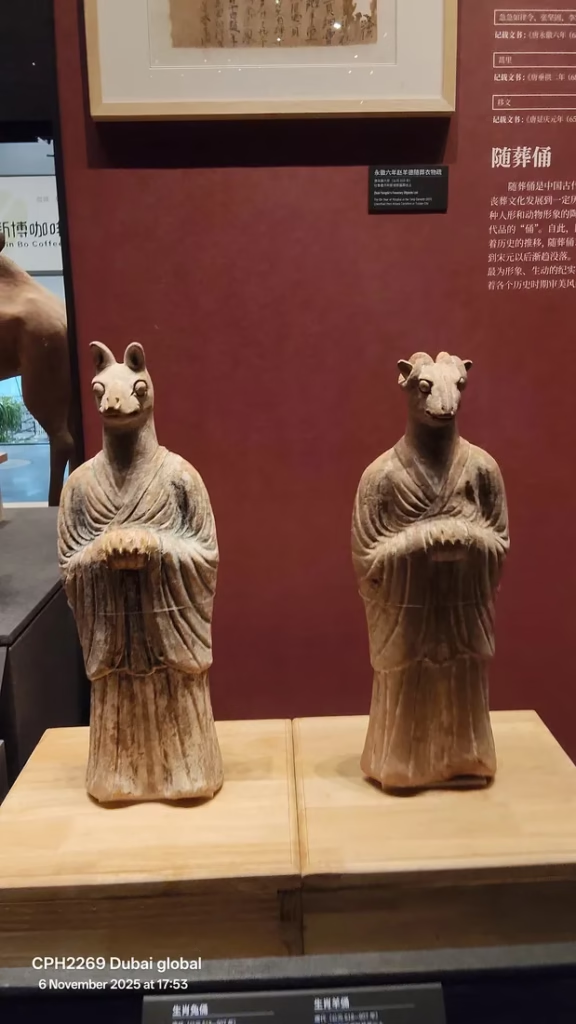
For centuries, Xinjiang was not just a logistical transit point; it evolved into a permanent home for cultures that settled there, leaving their rich imprint in every corner. This cross-pollination contributed to the formation of a civilization with a unique character—multi-rooted and diverse in identities, rich in its human content, and distinct in its architectural and social composition. Today, the region has become a singular and living model for the coexistence of civilizations and the intermingling of identities, making it one of the most vital places that reflects the authentic soul of Central Asia with its unparalleled historical richness and cultural diversity.
✈️ Arrival in Kashi… A Culturally Vibrant Beginning
Upon our arrival at Kachi Laining International Airport, there was no time to waste or linger. As soon as we exited the arrivals gate, we were welcomed by Ms. Anyi, a representative of the Tourism Promotion Authority, with a warm smile that reflected the gracious reception. She greeted us with notable respect, indicative of high professionalism, and immediately guided us toward the luxury car designated to transport us to our hotel, signaling the start of a well-planned exploratory journey.
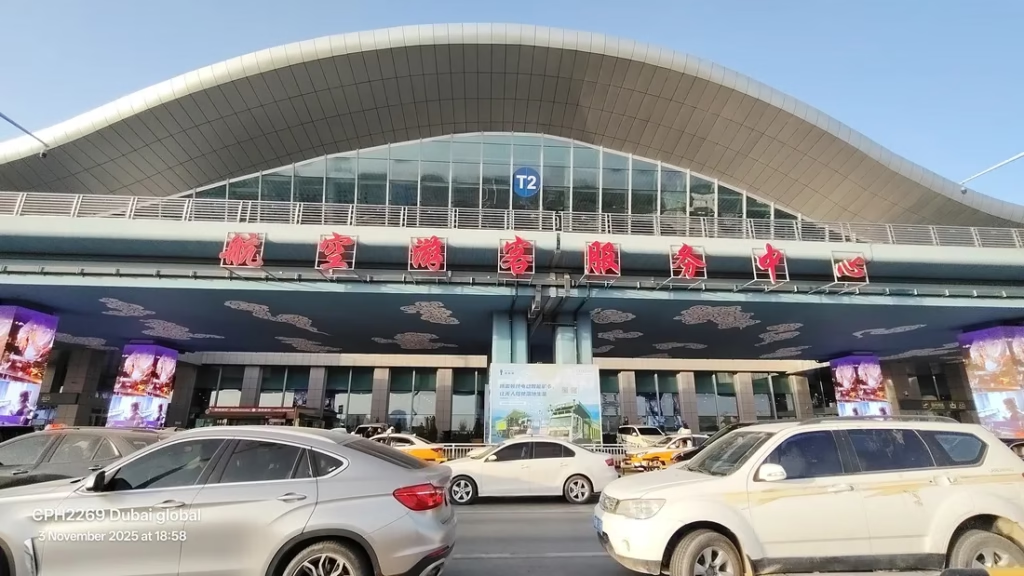
During our first drive from the airport to the hotel, we were immediately struck by a unique linguistic and visual phenomenon: the diversity of languages on the street signs and main roads. Texts were written in Chinese, alongside which appeared a language written in Arabic script, and sometimes English was added. This diversity was not just a fleeting linguistic difference; it was strong, tangible evidence of a long history of coexistence and deep demographic mixing among the peoples of the region.
We asked Anji about the reason for this extensive linguistic variety. She then shared a crucial piece of information vital to understanding the region’s composition: “Although the region is officially an administrative part of the People’s Republic of China, the majority of its residents descend from multiple Muslim minorities who came from Central and West Asian countries.” She pointed out that their origins trace back to peoples from Kazakhstan, Uzbekistan, Turkestan, Azerbaijan, Iran, Afghanistan, and India. These are the descendants of the peoples who traveled the Silk Road artery and settled over time in this fertile region, forming a community known today as the Uyghur, who still use their own language, written in the Arabic script, similar to the writing style used in Persian and Urdu.
🏨 A Hotel Offering an Exceptional Hospitality Experience
Upon reaching our designated hotel, we immediately realized we were not just facing a traditional lodging building. Instead, we found ourselves in a vast, integrated tourist complex, surrounded on all sides by meticulously landscaped green gardens. The hotel comprised several interconnected buildings, including equipped conference halls and various service facilities catering to all needs. The rooms were spacious and carefully designed, with the interior blending contemporary modernity with the authentic local architectural character. From the very first moment, we felt we were experiencing hospitality carefully considered to the highest degree, revealing a profound culture that values and excels at welcoming guests—a trait for which the Chinese people have been generally known for centuries.
🏛️ The Old City… Where History Comes Alive
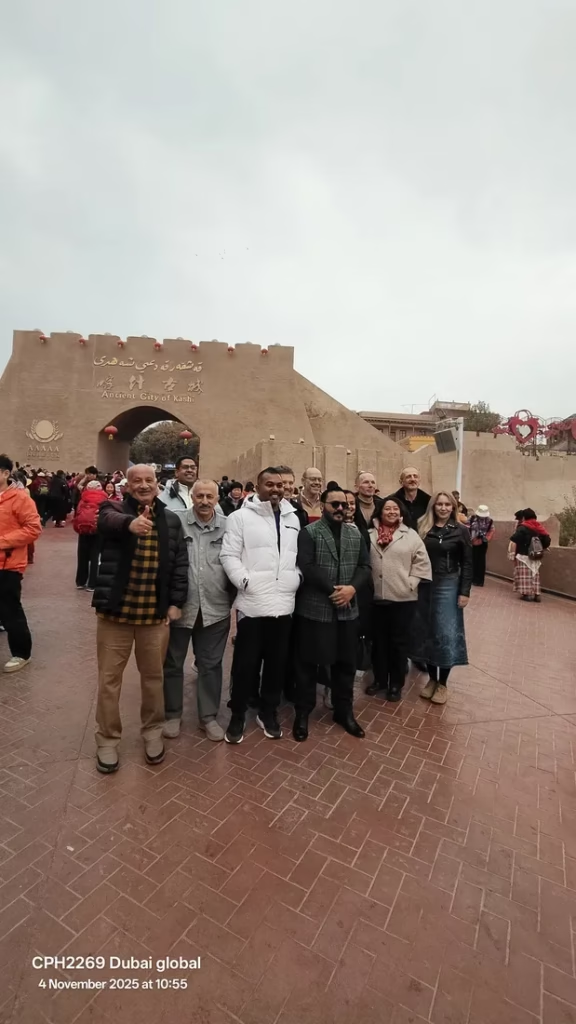
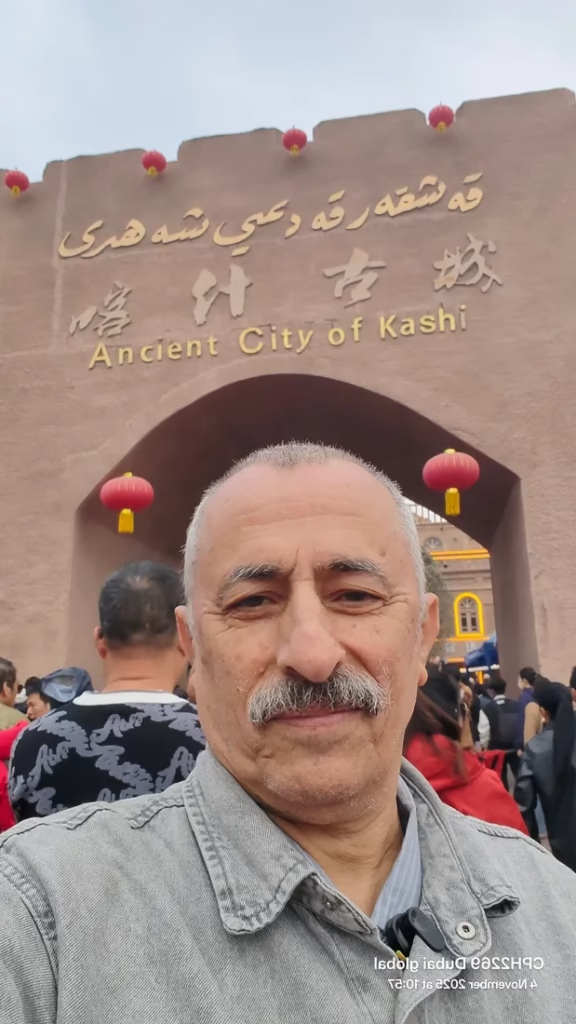
Our first exploratory visit was to the charming square of the Kashi Old City, where a massive, traditionally styled, and opulent gate welcomes visitors. However, what truly made the visit exceptional was not the structure itself, but the impressive daily ceremony held just before the main gate is opened to the public.
Almost every morning—unless the weather is rainy, preventing gatherings—the square is completely cleared of visitors. Musical and dance troupes, dressed in their elaborate folk costumes, line up to present a lively artistic performance that simulates the city’s rich history and inherited folk tales, in a creative and captivating spectacle
One of the most beautiful moments we witnessed was the performance of the character “Juha,” or Mullah Nasruddin as he is known in Persian culture, who is called “Al-Afandi” in the local Uyghur heritage. This particular scene was met with admiration and appreciation from everyone, representing a cultural and humorous extension that transcends borders and nationalities, serving as a shining example of shared heritage.
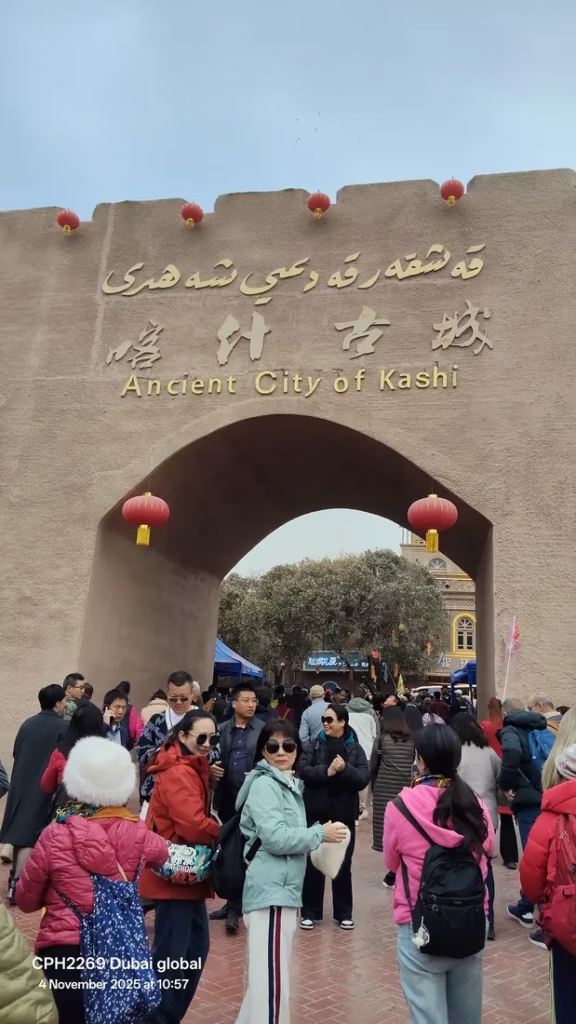
🏺 Inside the City Walls… Ancient Crafts and Heritage Homes
Upon entering the Old City after the gate opened, we discovered another world awaiting us, witnessing a series of traditional shops specialized in copper manufacturing and intricate handicrafts. Skilled artisans worked with precision, carving complex patterns with astonishing accuracy, as if painting silent masterpieces that speak the language of a glorious past.
Perhaps the inherited craftsmanship, passed down through generations, is what sets the Uyghur and Chinese worker, in general, apart with such a high degree of precision and skill in their trade. We also visited a number of preserved heritage houses, which demonstrated the residents’ profound attention to internal and external cleanliness and organization, and their deep commitment to preserving the details of their daily lives and passing them down to future generations.
🕌 The Islamic Studies Institute… A Model of Coexistence and Official Support
One of the most notable and important stops on our journey, reflecting the state’s commitment to preserving cultural and religious diversity, was the visit to the Xinjiang Islamic Institute. This monumental establishment, founded in 2017, is a complete Islamic city in itself, housing a modern institute for educating and graduating qualified preachers and imams, in addition to a large mosque accommodating a huge number of worshipers. The institute provides a complete living environment for students, offering three essential meals alongside full accommodation in the equipped student dormitories within the Islamic city.
The financial aspect of the Xinjiang Islamic Institute is notable and interesting; the central Chinese government provides fixed monthly allowances to all students across their various groups. All operational and financial obligations are entirely covered by the Chinese government, without the need for or reliance on any external donations or funding. This institute presented a clear and direct model of the state’s genuine interest in preserving the cultural and religious identity of various minorities and providing a stable educational environment that supports the dissemination of moderation.
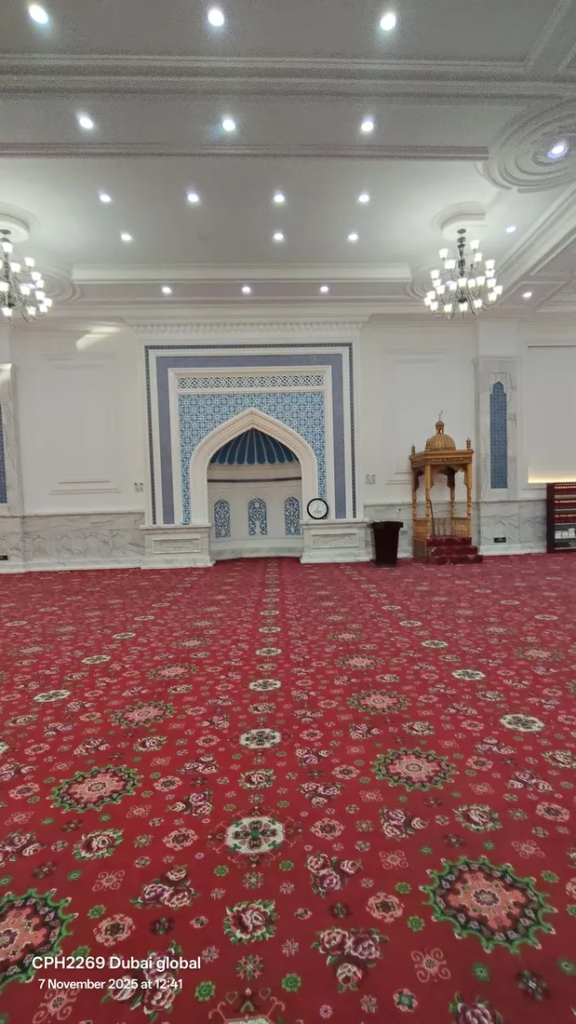
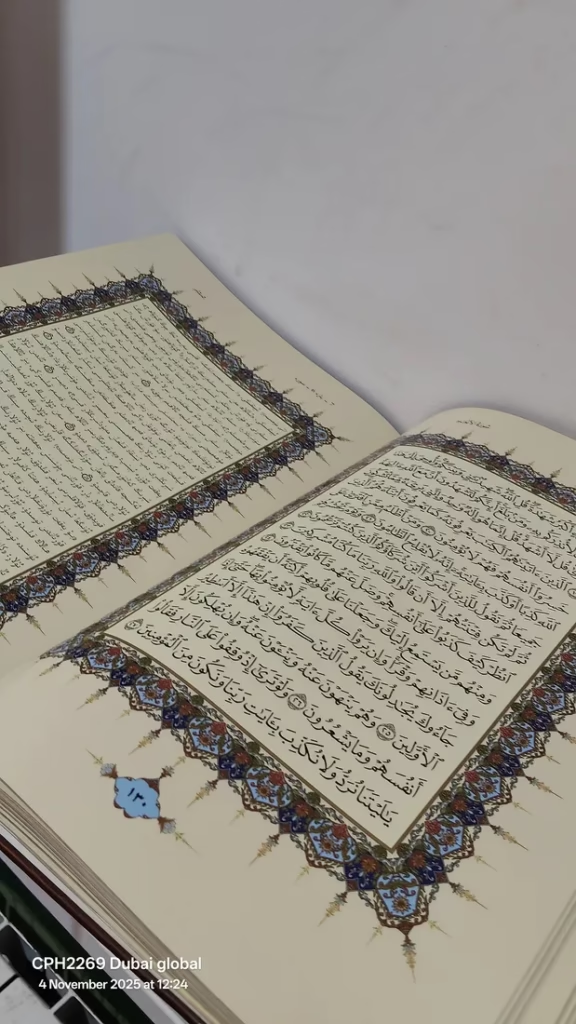
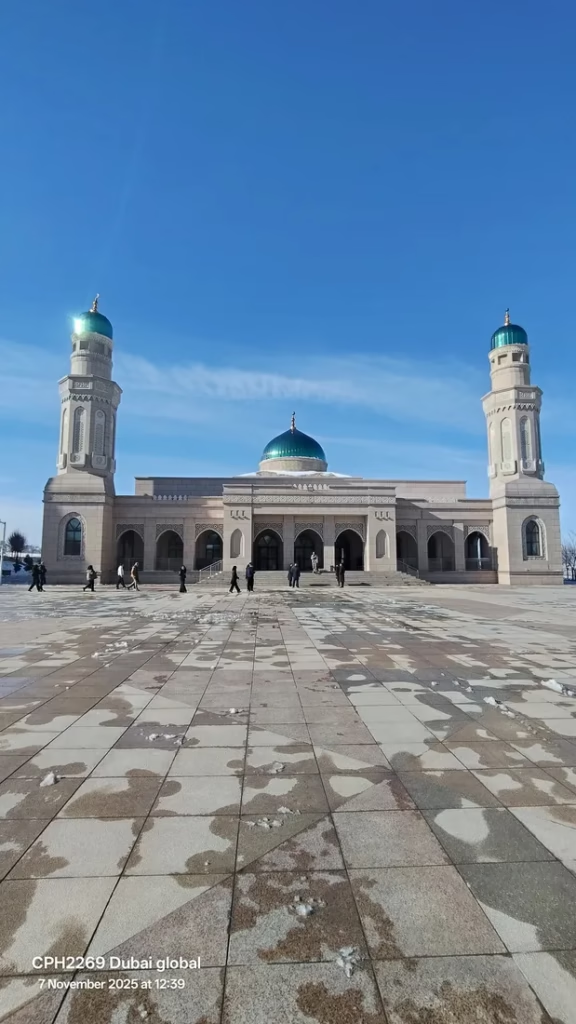
🌿 Folk Healing… A Medical Experience with Deep Roots
One experience that enriched our perspective on local culture was the visit to the Kashi Prefecture Hospital of Traditional Chinese Medicine. This advanced facility relies exclusively on traditional medicine and natural herbs, away from modern chemical drugs and preparations. The doctors and practitioners there possess long, accumulated experience in natural therapy and prescribing herbs, relying on documented scientific studies regarding the therapeutic properties of the plants used in the region. This type of treatment is not limited to physical healing; it grants the patient a deep sense of reassurance and confidence in the power of nature, reflecting the region’s strong connection to its ancient health heritage, which represents an authentic part of its identity.
🛡️ “The Fight Against Terrorism” Exhibition… Unveiling Concealed Truths
The visit to THE FIGHT AGAINST Terrorism and Extremism in Xinjiang was one of the most important stops for deepening the geopolitical understanding of the province. This massive museum clearly documents the history of the difficult events the region has witnessed and how extremist rebel groups attempted to pin terrorism charges and distort the image of the peaceful Uyghur people.
The display inside the museum is explicit and direct, presenting documents and evidence that reveal details perhaps unknown to many due to the circulation in traditional Western media. We left the exhibition with a firm impression that the widespread and often adopted media image does not accurately reflect the actual and complex reality, making a visit to this place necessary and imperative to understand the truth of what transpired and the security challenges the region faced.
🎶 The Museum of Musical Art… A Complete City of Creativity
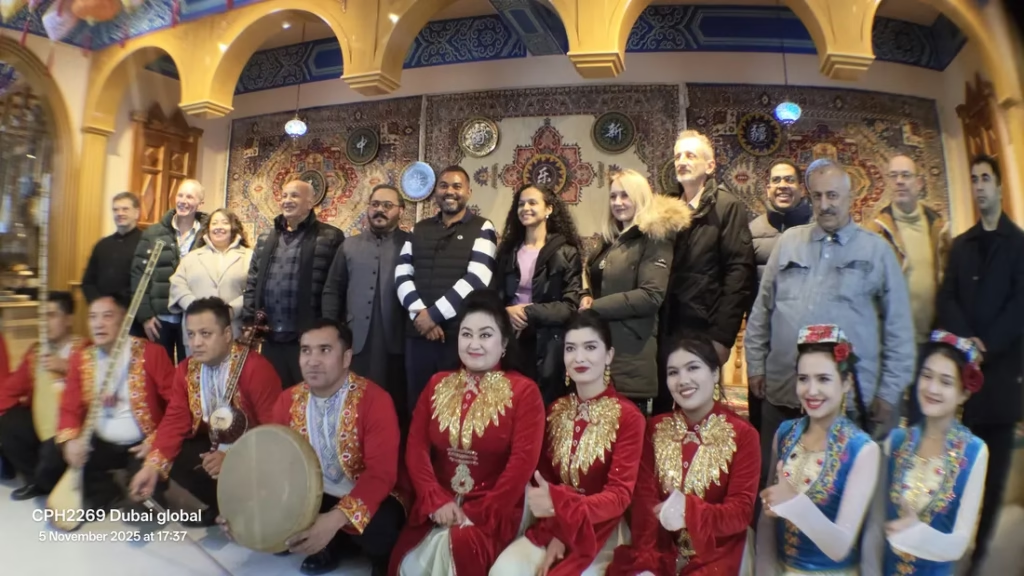
No trip to XINJIANG would be complete without a visit to the Shufu County China Xinjiang Folk Musical Instruments Village, a unique museum that houses an astonishing collection of dozens of ancient traditional musical instruments. Upon entering the outdoor plaza, you are immediately greeted by live musical performances and dazzling folk dances that reflect the high spirit of joy and positivity among the Uyghur people.
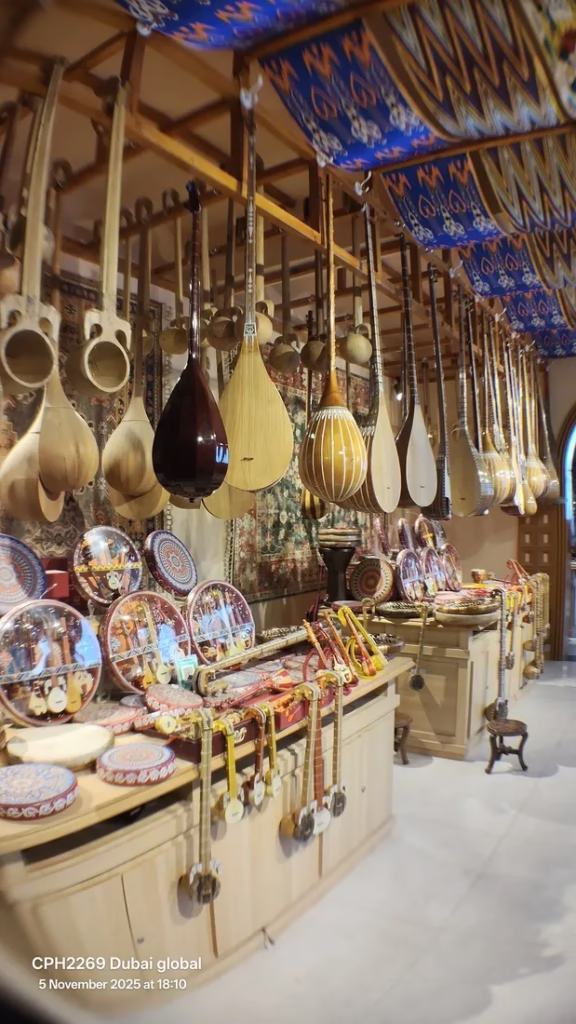

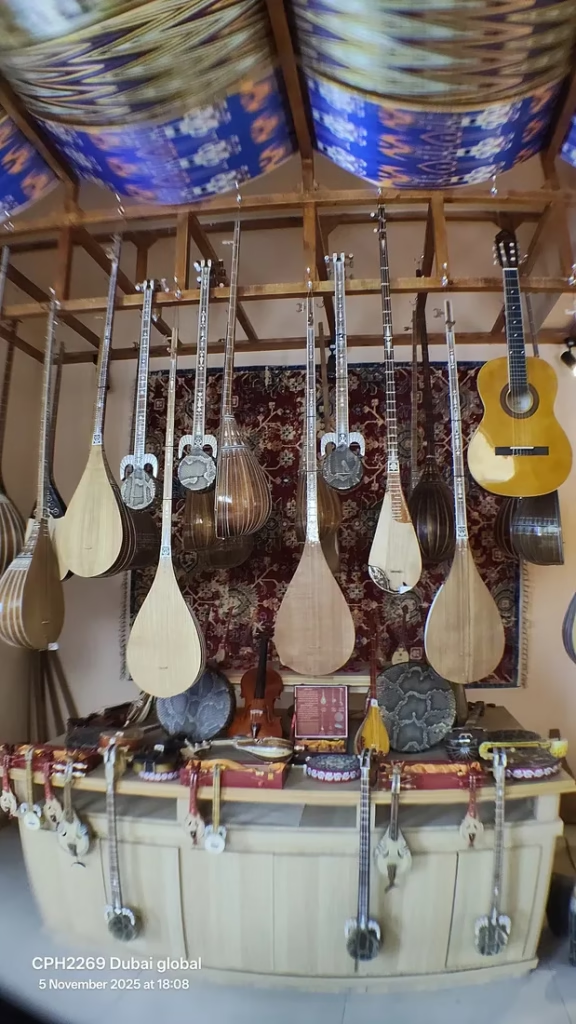
Inside the museum, all the instruments are handcrafted with extreme precision and consummate artistry, and you have the opportunity to watch the makers themselves at work. You also listen to detailed and profound explanations about the history, origin, and complex manufacturing methods of each instrument. They are not merely instruments; they are an artistic craft whose roots extend back hundreds of years, telling the story of a rich musical culture.
🏞️ Tianchi Lake… A Natural Canvas Breathing Beauty
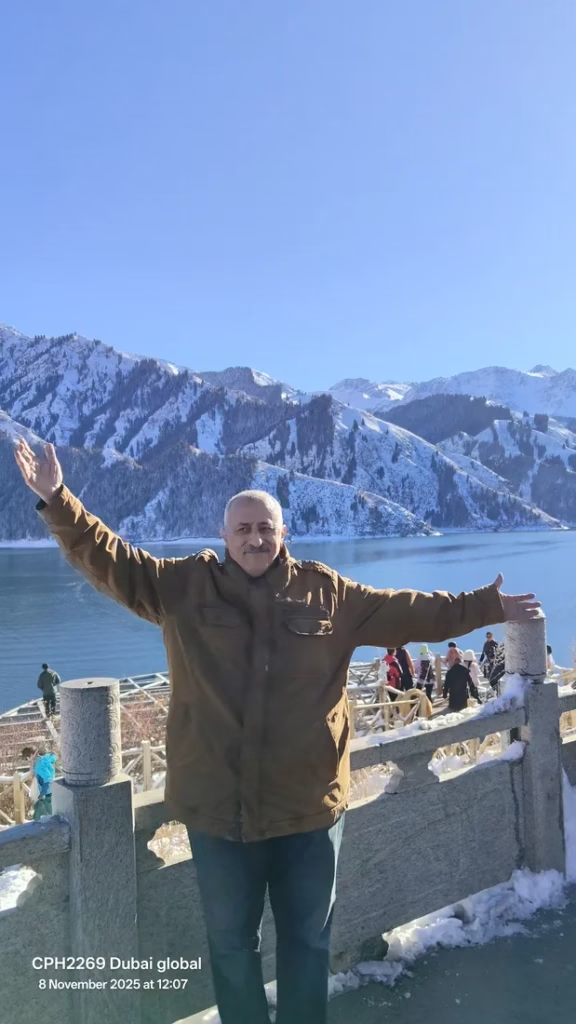
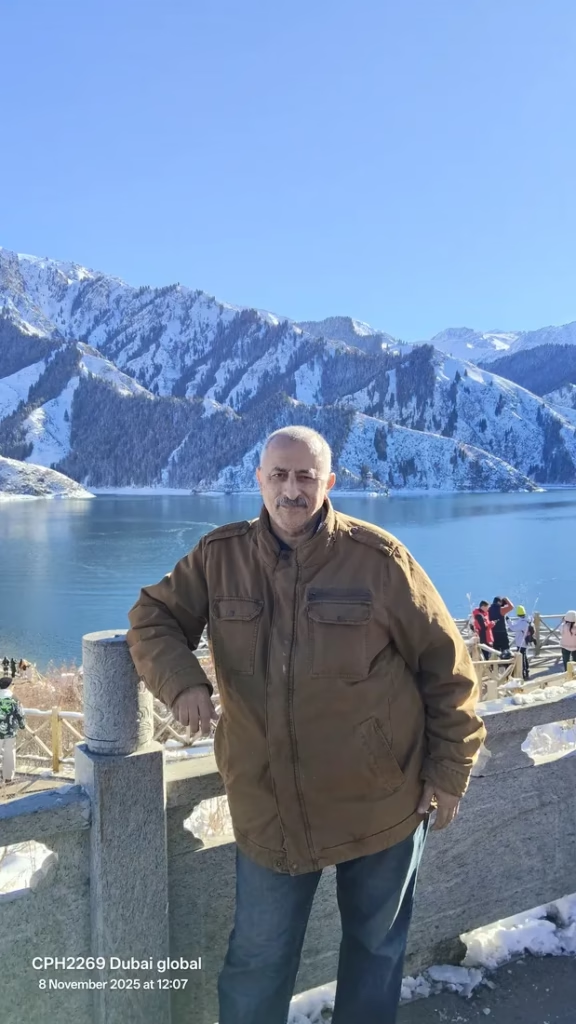

One of the most beautiful stops on the journey that offered us a space for contemplation was the visit to Tianchi Lake. This is a captivating natural lake formed from the melting of pure snow on the towering peaks of the Tianshan Mountain.
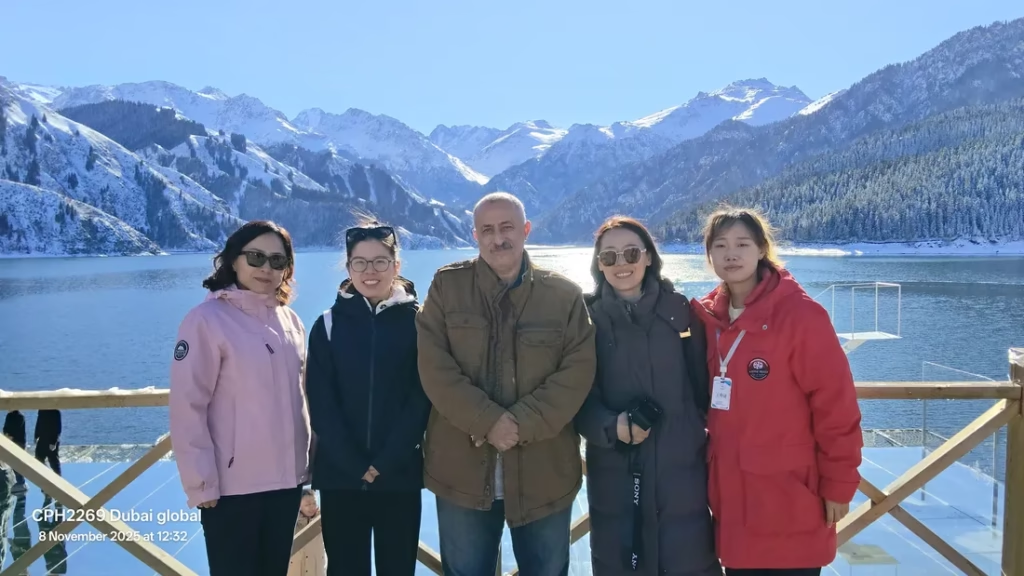
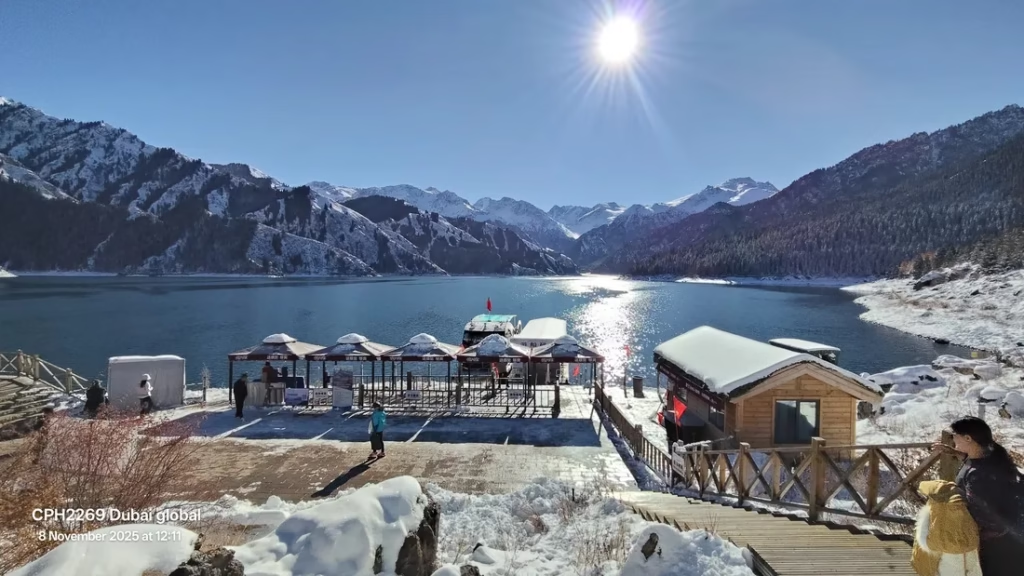
The sight of clear blue waters surrounded by trees still covered with a light layer of snow, with a warm sun illuminating the place, created a rare natural tableau that skillfully combined bitter cold and comforting warmth at the same time. Riding a boat across the lake was an unforgettable peaceful experience, granting precious time for reflection on this astonishing natural beauty and unique geographical formation.
🎭 The Finale… An Unforgettable Theatrical Performance
The spectacular conclusion to the trip was the best of the artistic and cultural performances we witnessed. The grand theatrical show, “A Thousand Memories of the Silk Road,” was the last segment of our journey and was a dazzling performance in every sense of the word—from the spectacular artistic design, the professional choreography, and the dancers’ flawless execution, to the world-class design of the stage and decorations. This high level drew our attention to the artistic and cultural renaissance in the region, which we saw clear proof of through this masterful performance that we wished to see again to savor every detail.
There were also other places visited, but space does not permit their description.
👋 Farewell China… A Date with Return
We left China with the feeling that what we discovered is but a small point in a vast ocean of civilization spanning thousands of years. This first journey to this vibrant region was a truly deep and authentic journey of discovery, making us look forward with eagerness and excitement to returning again in the near future to explore more of its ancient history, its living heritage, and, most importantly, to interact with its friendly people

Discover more from Saudi Digital News
Subscribe to get the latest posts sent to your email.


